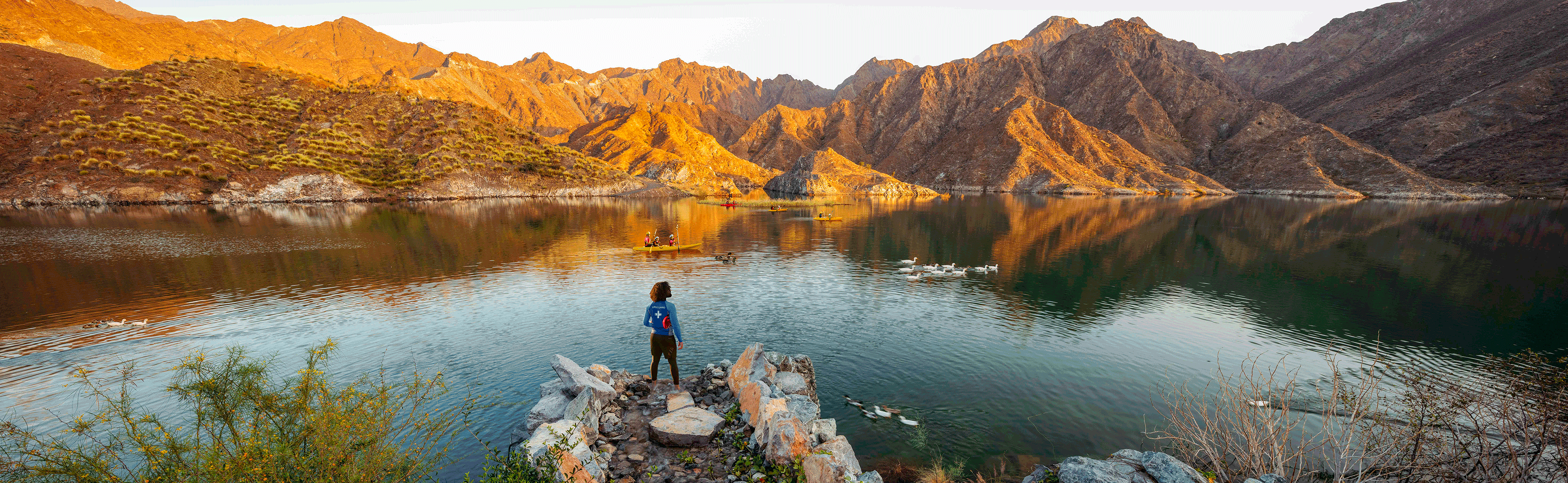
Sustainable tourism has seen immense growth worldwide, and the Middle East and North Africa (MENA) region is participating ambitiously.
Tourism has a big impact on the environment everywhere, but the commonly arid or desert ecosystems in the MENA region makes this area extremely fragile and susceptible to negative impacts. In this article you’ll read about sustainable tourism and how it is implemented in this region specifically.
Growing sustainable tourism in MENA
Sustainable tourism is growing worldwide, and the Middle East is fully embracing it. It is estimated to hit $246 billion in 2022 by the World Travel and Tourism Council. Across the entire supply chain there are ongoing projects and investments. For example Saudi Arabia’s Red Sea Global project airport is planned to be run on renewable energy, eco lodges are being built in the Jordanian desert and Dubai continues to attract tourists from around the globe. These ambitious projects are emerging to attract eco-conscious travellers to the Middle East.
Sustainable tourism offerings
The Middle East is mostly made up of an arid or desert ecosystem, which brings specific challenges for tourism. The need for irrigation for agriculture and habitation, may result in desertification. It is therefore crucial that tourism provides positive impacts and minimises damage, especially in fragile ecosystems. Eco-tourism opportunities in the Middle East are desert exploration, camping, visiting heritage sites or ruins, wildlife viewing, but in many places, infrastructure for this may be limited. MENA also has flourishing cultural, heritage and religious tourism which offers unique assets in the region.
MENA sustainable tourism trends:
At the Arabian Travel Market in 2023, it became clear that sustainable tourism was a hot topic, the theme was ‘Working Towards Net Zero’. This topic plays a central role in the expected trends for the MENA tourism market;
Demand for sustainable tourism continues to grow
There is a rising demand for sustainable tourism offerings in the Middle East and customers are willing to pay. Travellers are increasingly choosing destinations and service providers based on sustainability, and this market is interested in visiting the Middle East. The sustainable tourism market segment is becoming increasingly more lucrative. According to research from YouGov, over four in 10 global consumers agree they are willing to pay more for responsible, eco-friendly, and sustainable trips. This number increases to 52 per cent for affluent people, suggesting the opportunity for luxury, sustainable travel.
Travellers are aware of the importance of sustainable tourism and also are beginning to expect it, which can be seen as large travel companies,such as Booking.com integrating sustainability in their accommodation booking service. Thus, it is important for the Middle East to pursue sustainable tourism to meet this rapidly developing market.
Sustainable tourism in the UAE
The UAE is the most successful tourist nation in the region with a thriving tourism economy and hundreds of thousands of people employed in the sector. Tourism thus far has been focused on tourists seeking entertainment and shopping, family-friendly attractions, sports events and business travellers, but with travel returning after the Covid-19 pandemic, attention is also being paid to sustainable tourism opportunities.
The important link between tourism and the natural environment is increasingly recognized, and policies and visions to support sustainable tourism are being implemented. In 2016, the UAE was the first Middle Eastern nation to sign the Paris Agreement, under the frameworks of UNFCCC and Kyoto to combat the global average temperature rise, improve the capacity of climate change resilience and provide financial flows for low-carbon development. The sustainability focus has only increased over the years and the UAE has declared 2023 the Year of Sustainability, it has an active green agenda, and it is hosting the COP28 UN Conference. Dubai Sustainable Tourism initiative was created in 2021 with the tagline ‘Get into the Green Scene’.
There has been some coverage, for example of sustainable tourism offerings in Dubai . A study of tourism operators in the UAE found that supporting destination resources (natural resources, cultural resources, and environmental resources) were considered to have the largest effect on the attractiveness of the UAE as a tourism destination.
Sustainable tourism best practices in MENA
In MENA, pioneering sustainable tourism efforts have been made, here we highlight two case studies that focus their attention on sustainability in operations and in activities offered.
Case study: sustainability-minded operational practices
Located in Abu Dhabi’s Liwa Desert, the 5-star Qasr Al Sarab Desert Resort by Anantara represents sustainable luxury and aims to be the greenest desert resort in the world. Qasr Al Sarab has a number of sustainable and unique initiatives in place earning the Gold status in the Green Growth Awards. The Green Growth Awards cover a wide range of CSR goals.
The resort has many sustainable operational practices which set an example for resorts in sustainable operation. They have effective water, energy and waste management. The resort has created its own on site sewage treatment plant to recycle water and 100% of the grey water (wastewater from sinks, baths, and appliances) at the resort is used to irrigate its gardens. Additionally, the resort installed energy saving technologies for smart lighting and energy control which turn off unused lights and electronics and adjust to seasonal lighting patterns. Another sustainable energy feature are the resort's car charging stations for electric cars. Cardboard, oil, paper, and bars of soap are all recycled. The resort has also moved towards removing all plastic-based disposable packaging. They stride towards zero waste with an onside compost area for their own organic produce.
Case study: sustainable activities
Habitas AlUla is a sustainable 5-star resort located in a desert valley in Saudi Arabia. Next to the resort’s various sustainable operational strategies, Habitas AlUla offers its guests a wide range of eco-friendly experiences within its six programming pillars: music, wellness, adventure, culture, learning, and culinary.
For Earth Day 2022, the resort developed a full eco program with experiences ranging from documentary screenings to nature walks, sound healing and an Earth Day Menu. Other activities offered at the resort include weekly outdoor screening, cultural walks, lectures, canyon hikes, yoga, meditation and breathing exercises.
Sustainable tourism in Sharjah
Sharjah has a rich cultural heritage and promotes itself as the cultural capital of the UAE, attracting cultural, Islamic and family tourists. So far the focus has been on heritage tourism, preserving historical areas and cultural traditions and museums.
Sharjah has multiple protected areas and eco-tourist destinations offering a range of natural ecosystems, education and sites managed by the Environment and Protected Areas Authority (EPAA). Standouts include the Khor Kalba Mangrove Centre which is one of the best preserved mangrove sites in the Middle East and the Mleiha Archaeological Centre which allows visitors to experience natural desert landscapes and ancient historical sites. In the city of Sharjah, the Heart of Sharjah is a renowned heritage site boasting numerous preserved buildings, souks and museums. Further, Sharjah has a range of luxury hotels that are pioneering sustainability in the region. These include the renovated heritage site Chedi al Bait located in the Heart of Sharjah and the Mysk hotel chain which specialises in unique, luxury glamping experiences. Sharjah is embracing sustainability in its tourism strategy , differentiating itself from other tourist destinations in the Middle East.
Want to learn more about sustainable tourism and how to implement practices in Sharjah and the UAE? Consider joining the Sustain Sharjah community. Here, you can become part of a group dedicated to fostering sustainable tourism development in Sharjah and beyond.
